10 Things Everyone Has To Say About Quality Double Glazing
The Value of Quality Double Glazing: An In-Depth Analysis
Double glazing has gotten immense popularity for many years as a favored choice for property owners seeking to boost their home. It is not simply a trend; it uses many useful benefits that enhance energy performance, sound insulation, and total comfort. This article explores the key elements of quality double glazing, its advantages, setup processes, potential expenses, and responses to some often asked concerns.
What is Double Glazing?
Double glazing refers to a window or door building strategy that includes 2 panes of glass with an area between them. This space is typically filled with air or an inert gas like argon, which helps enhance thermal insulation. The main intention behind double glazing is to develop a barrier that decreases heat loss and sound seepage, making homes more energy-efficient and comfortable.
Table 1: Advantages of Quality Double Glazing
Advantage
Description
Energy Efficiency
Reduces heat loss, resulting in lower energy bills.
Sound Reduction
Substantially dampens external noise, creating a quieter indoor environment.
Security
Offers an added layer of durability and resistance to burglaries.
Condensation Control
Helps minimize condensation on windows, minimizing mold and moisture.
Increased Property Value
Boosts the property's market appeal and value.
Advantages of Quality Double Glazing
Energy Efficiency
- Among the most significant advantages of quality double glazing is energy effectiveness. By producing an insulating barrier, double-glazed windows can dramatically minimize heating costs. Homeowners typically report cost savings of as much as 20% on their energy expenses.
Noise Reduction
- Quality double glazing supplies an effective soundproofing option, particularly beneficial for homes located near busy roadways or noisy environments. The multiple layers of glass take in acoustic waves, guaranteeing a tranquil indoor atmosphere.
Security Enhancement
- Buy double-glazed windows for included home security. The robust building makes it more difficult for trespassers to break in, offering comfort for property owners.
Condensation Reduction
- Double glazing reduces condensation build-up on windows during temperature level fluctuations, reducing the threat of mold growth and benefiting individuals with allergic reactions or respiratory issues.
Increased Property Value
- Homes equipped with energy-efficient functions, including double glazing, are frequently more attractive to possible buyers. This can lead to an increase in residential or commercial property worth.
Setup Process of Double Glazing
Action 1: Initial Assessment
- A professional installer assesses the property to ensure that double glazing is a suitable choice based on elements such as existing window frames and structure.
Action 2: Choosing the Right Windows
- Homeowners should select quality frames and glazing alternatives. Typical products for frames consist of uPVC, wood, and aluminum.
Step 3: Measurements and Planning
- Accurate measurements are crucial for a seamless fit. The installer will determine existing windows and prepare the installation appropriately.
Step 4: Installation
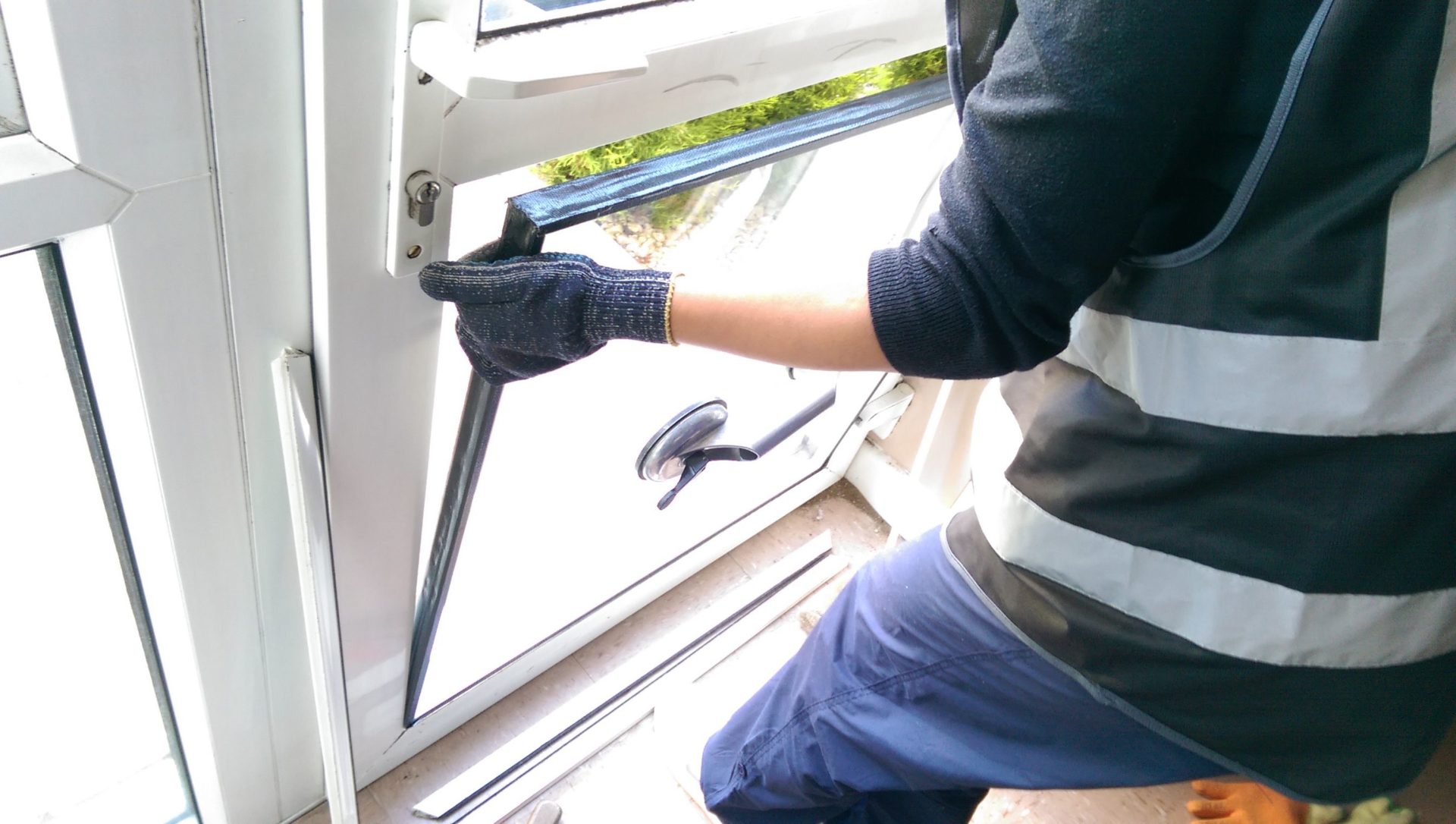
- The installers will eliminate old windows (if appropriate) and fit the new double-glazed units. Care is taken to ensure proper sealing to prevent air leakage.
Step 5: Final Inspection
- After installation, a final examination guarantees that whatever is sealed properly and operating as it should.
Table 2: Types of Glazing Options
Type
Description
Low-E Glass
Reflects heat, keeping homes warm in winter.
Laminated Glass
Increases security and sound insulation.
Gas-Filled Units
Argon or krypton-filled for improved insulation.
Tinted Glass
Minimizes glare and secures furnishings from UV rays.
Costs of Double Glazing
The expense of double glazing differs based on numerous aspects, consisting of:
- Type of Glazing: Different glazing alternatives have different price points. Low-E glass and gas-filled options tend to be more costly.
- Size of Windows: Larger windows need more products and are normally more expensive.
- Frame Material: uPVC frames are typically more economical than wood or aluminum frames.
- Installation Complexity: Additional challenges, like custom designs or structural adjustments, can increase expenses.
Typical Cost Estimates:
- uPVC Double Glazed Windows: ₤ 300 – ₤ 700 per window
- Wood Double Glazed Windows: ₤ 800 – ₤ 1,500 per window
- Aluminum Double Glazed Windows: ₤ 600 – ₤ 1,200 per window
Keep in mind that while the preliminary financial investment may be high, quality double glazing can result in significant cost savings with time due to minimized energy costs.
Regularly Asked Questions (FAQs)
1. How long does double glazing last?
Quality double glazing usually lasts around 20-35 years, depending upon the materials used and upkeep practices.
2. Is double glazing worth the investment?
Yes, double glazing is worth the investment due to its energy effectiveness, noise decrease capabilities, and increased home worth.
3. Can double-glazed windows be fixed?
In a lot of cases, yes. It is possible to change private panes or repair seals without requiring to replace the entire window system.
4. Will double glazing decrease my energy costs?
Yes, house owners can see visible decreases in energy expenses due to enhanced insulation and minimized heat loss.
5. Exist Repair My Windows And Doors for double glazing setups?
In some regions, there may be government grants or incentives for energy-efficient home enhancements. Inspect regional guidelines and programs.
Quality double glazing serves as a smart investment for house owners aiming to improve their living conditions and boost their homes. With a series of benefits, consisting of energy effectiveness, sound reduction, and increased security, double glazing presents a beneficial choice in home improvement. Proper installation, together with careful choice of materials and funding choices, can further improve the lots of benefits that double glazing provides.